Do solar panels work in winter?
Currently, a large number of people doubt the proper functioning of solar panels during cold seasons, raising in these doubts the
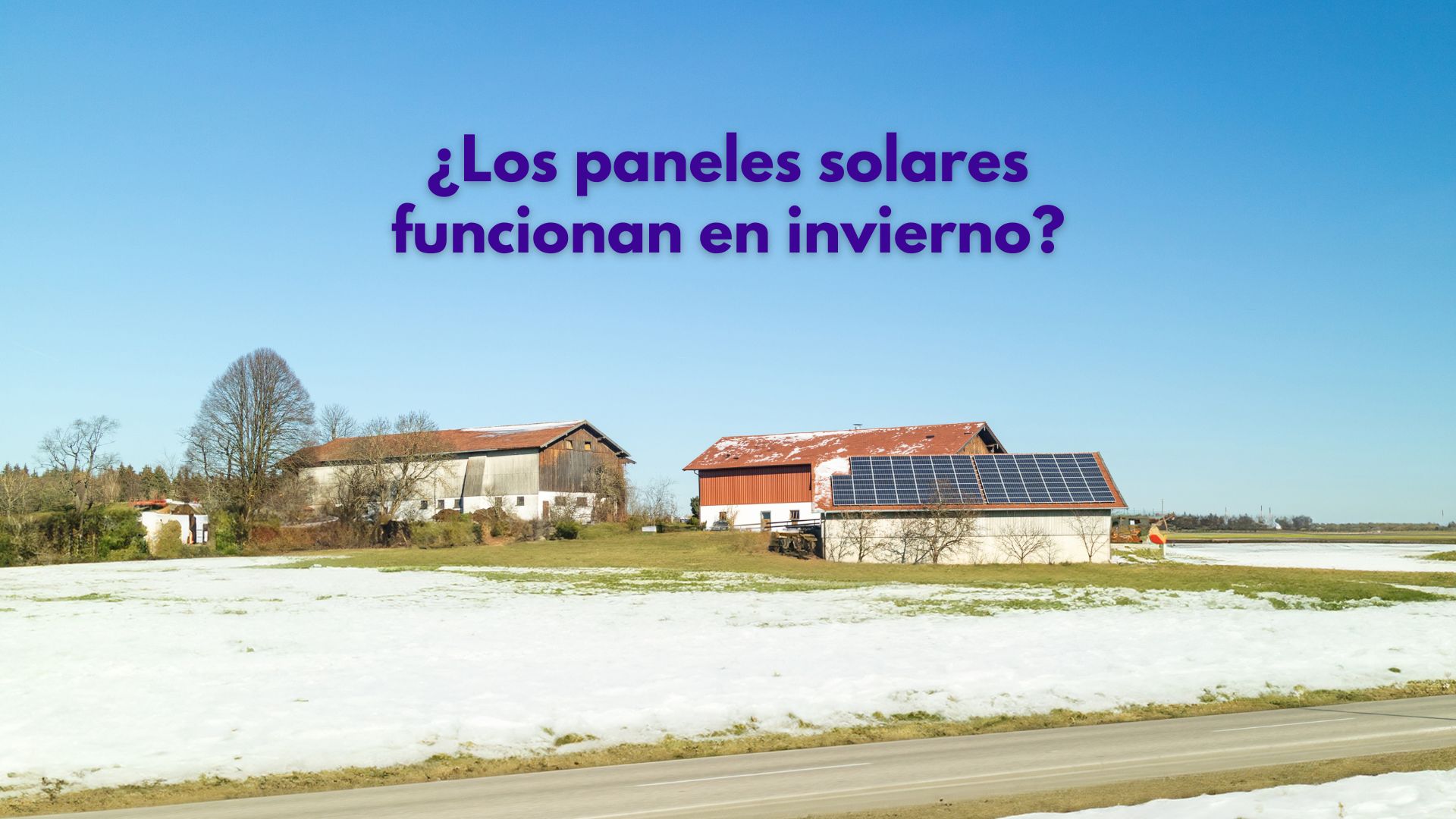

This is a topic that still generates uncertainty for a large number of people, especially those who are considering the transition to solar thermal energy. The answer may be nuanced, but it's clear. Yes, solar panels also operate during the winter, despite the lack of direct sunlight.
Although it is logical to think that sunny days are the most favorable for solar panels, they are not necessary to continue to obtain satisfactory performance.
Do solar panels charge in the absence of direct sun?
Absolutely! Even when the sun doesn't hit your solar panels directly, they continue to accumulate energy without problems. Its operation is based on attracting various wavelengths, including those that can penetrate cloud layers. Therefore, on a typical winter day with overcast skies, your solar system will continue to operate, constantly generating energy.
Solar Panel Performance in Winter Season
Its efficiency is slightly lower compared to the summer season, that's for sure. However, they continue to operate and generate a significant amount of energy, enough to significantly reduce your electricity bills.
Another common concern is related to rain. The panels are completely safe in the rain, thanks to their construction with technology that makes them completely hermetic thanks to a sturdy frame and tempered glass, resistant even to snow.
During a cloudy winter day, your system will continue to generate energy, with a maximum reduction of 25% compared to other seasons of the year.
Do solar systems operate in cold environments?
Without a doubt. Even when temperatures drop below 0ºC. The key lies in recognizing that the energy supply to the plates does not come from heat, but from light. However, weather phenomena such as snow or hail can partially or completely cover the surface of the plates, so it is crucial to ensure that they remain visible.
What is the impact of rain or snow on solar panels?
In the case of rain, there are no drawbacks. Solar cells can also capture indirect or diffused light, common on rainy days.
Solar panels have the ability to efficiently absorb light energy. However, it is essential to check for snow accumulation on the panels. There is always the possibility of slightly adjusting the inclination of the solar panels to increase the slope, thus making it easier for snow to slide.
How do you take care of solar panels during winter?
The maintenance routine this season is essentially the same as during the rest of the year. In general, cleaning the photovoltaic system about three or four times a year is usually sufficient, also providing the opportunity to verify if there are components that show any type of deterioration.
Solar panel recycling: benefits and initiatives
5 advantages for companies with a photovoltaic system